Understanding Boiler Costs
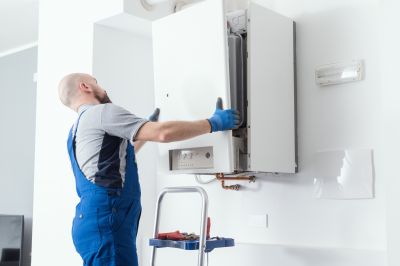
High-quality materials can increase initial costs but may reduce maintenance and repair expenses over time.
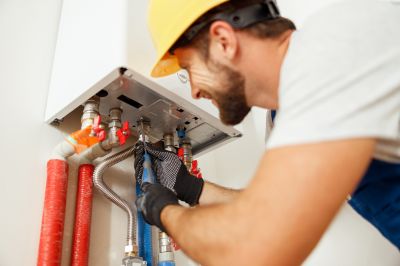
Complex installations involving space constraints or existing system modifications can add to overall costs.
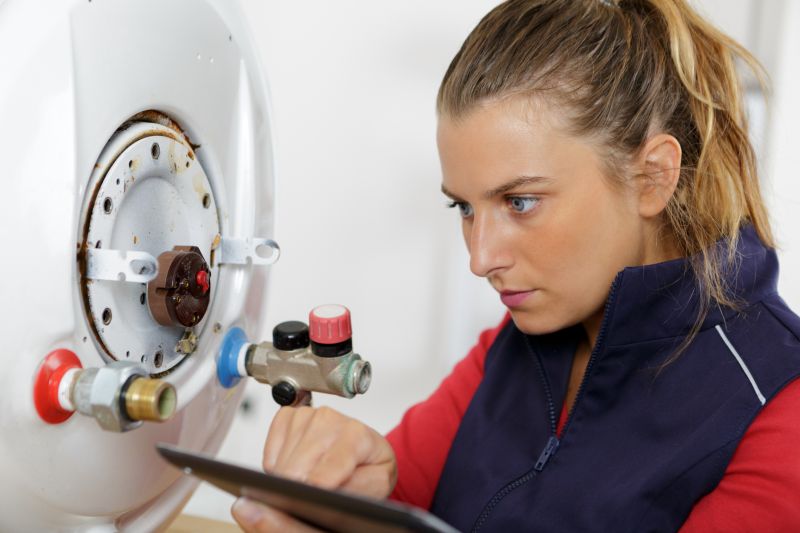
More efficient boilers often come with higher upfront prices but can lead to savings through reduced energy consumption.
| Factor | Impact on Cost |
|---|---|
| Boiler Type | Different types have varying price ranges, with condensing boilers typically costing more. |
| Size and Capacity | Larger capacity boilers generally cost more due to increased materials and installation requirements. |
| Efficiency Ratings | Higher efficiency models tend to have higher initial costs but lower operational expenses. |
| Brand and Model | Premium brands and advanced models often come with a higher price tag. |
| Installation Environment | Complex environments requiring modifications or additional components increase costs. |
| Local Regulations | Compliance with local codes may necessitate additional work, affecting overall expenses. |
| Warranty and Service Plans | Extended warranties and service packages add to upfront costs. |
| Labor Costs | Regional labor rates influence installation expenses. |
The cost of a boiler can vary significantly based on the selected type, size, and efficiency level. High-efficiency condensing boilers, while more expensive initially, can offer substantial energy savings over their lifespan. Installation costs are also influenced by the complexity of the setup, including modifications to existing systems and compliance with local building codes. Proper assessment of these factors ensures an optimal balance between upfront investment and long-term operational costs.
Additional expenses may include permits, system upgrades, and specialized labor, which can further influence the total cost. Selecting the appropriate boiler involves evaluating both immediate expenses and potential future savings, ensuring compatibility with the specific heating requirements and infrastructure. Consulting with qualified professionals can provide accurate estimates tailored to individual needs.
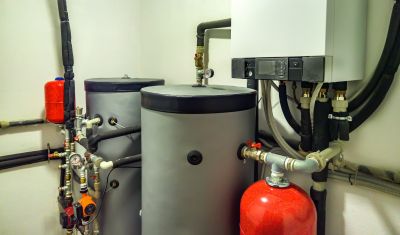
Components like heat exchangers and burners impact the cost based on their quality and complexity.
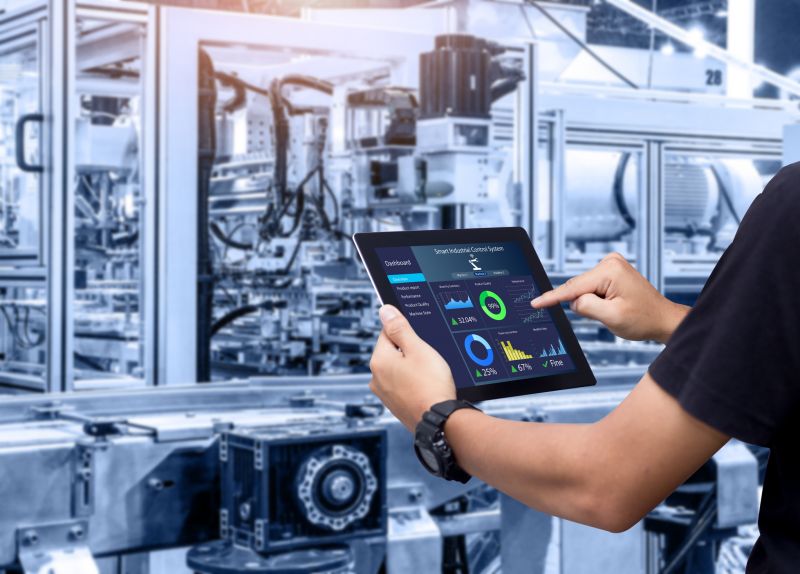
Advanced control systems can increase initial costs but improve efficiency and user experience.
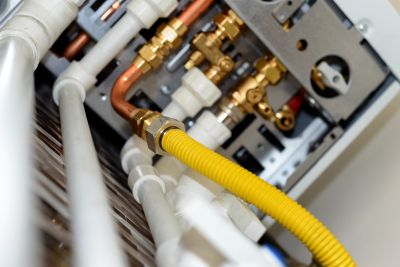
Proper venting systems are essential for safety and performance, influencing installation costs.
| Service | Average Price Range |
|---|---|
| Boiler Replacement | $3,000 - $7,000 |
| System Upgrade | $2,500 - $6,000 |
| Emergency Repair | $200 - $600 |
| Routine Maintenance | $150 - $300 |
| Thermostat Installation | $100 - $250 |
| Flue System Installation | $1,000 - $2,500 |
| Control System Upgrade | $500 - $1,200 |
| Insulation and Piping | $800 - $2,000 |
| Venting System Repair | $300 - $800 |
| Water Treatment System | $1,000 - $2,500 |