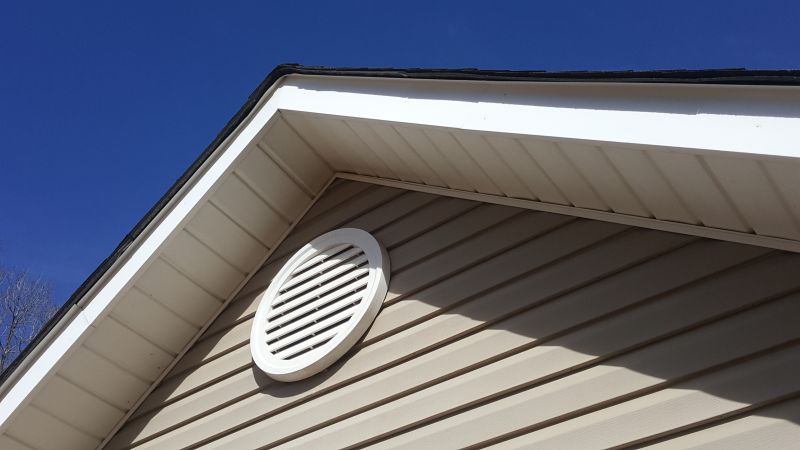
Roof Fan Installation in Provo, UT
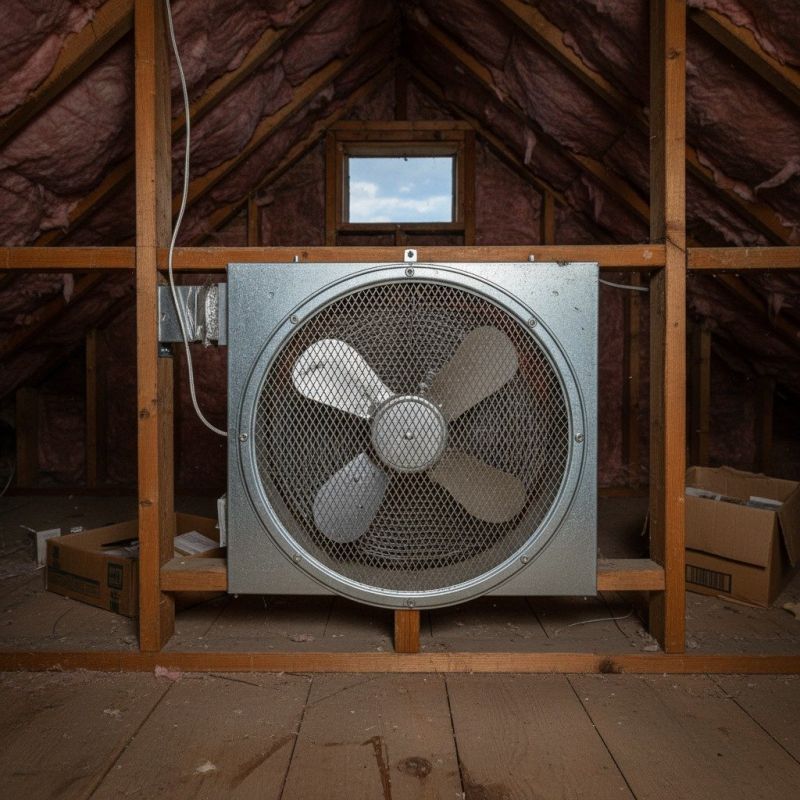
Roof fan installation services involve adding ventilators to a property's roof to improve airflow and ventilation within the attic or roof space. These installations are suitable for a variety of projects, including upgrading existing ventilation systems, replacing outdated or malfunctioning fans, or installing new units in homes that lack proper attic ventilation. Homeowners often request roof fan installation to help regulate indoor temperatures, reduce moisture buildup, and prevent issues such as mold growth or roof damage caused by poor airflow.
Before requesting roof fan installation, property owners typically want to understand the types of fans available, how they operate, and the benefits they provide. It's important to consider the size and layout of the roof, the specific ventilation needs of the property, and any existing ventilation systems that may need integration. Clarifying these details can help ensure the selected fan system effectively addresses the property's unique requirements and enhances overall attic airflow.
Many property owners in Provo, UT look into Roof Fan Installation for repairs, replacements, upgrades, and appearance-related improvements.
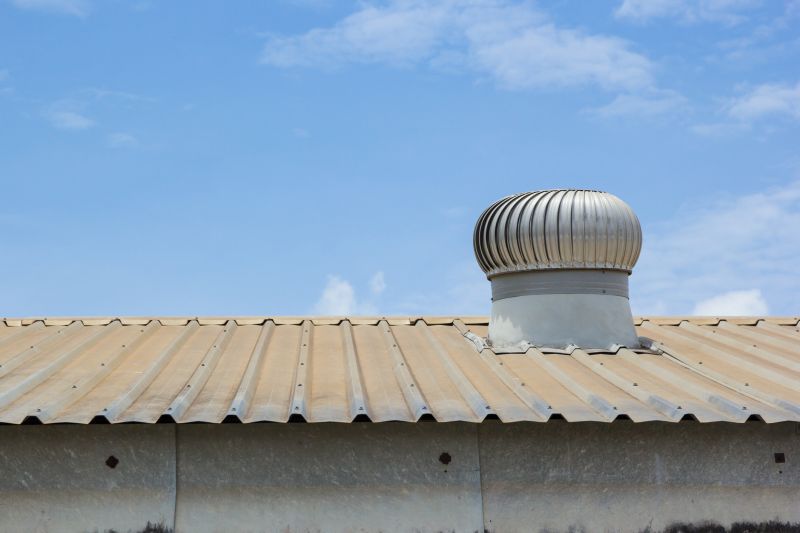
Benefits Of Roof Fan Installation
Proper roof fans help improve ventilation and reduce indoor temperature buildup.
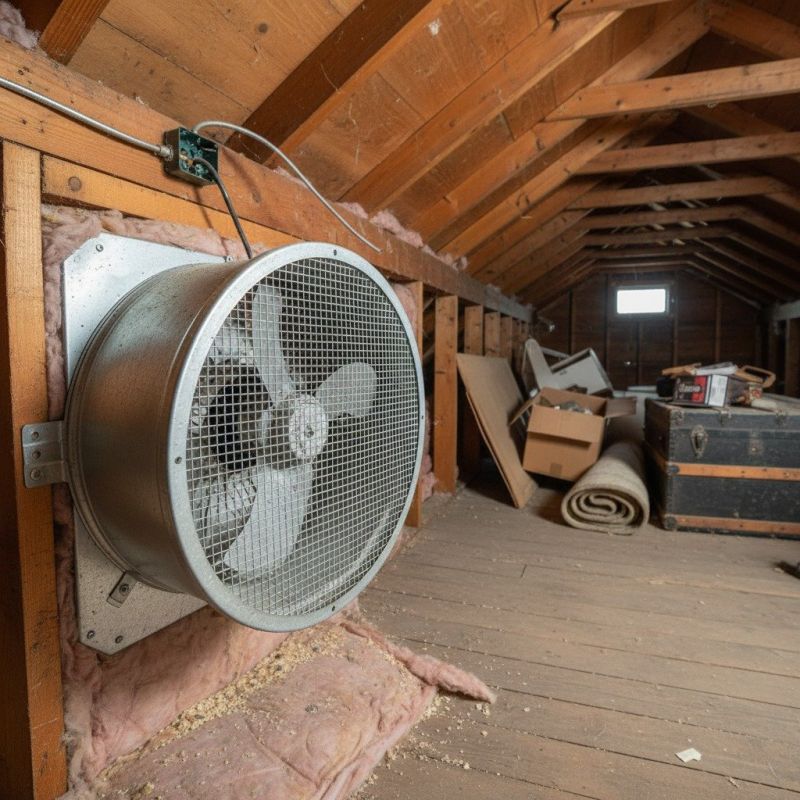
Types Of Roof Fans
Various styles and sizes are available to suit different roof types and property needs.

Installation Considerations
Professional installation ensures optimal performance and safety for your roofing system in provo, ut.
Roof Fan Installation in Provo, UT

Roof fan installation services involve adding ventilators to a property's roof to improve airflow and ventilation within the attic or roof space. These installations are suitable for a variety of projects, including upgrading existing ventilation systems, replacing outdated or malfunctioning fans, or installing new units in homes that lack proper attic ventilation. Homeowners often request roof fan installation to help regulate indoor temperatures, reduce moisture buildup, and prevent issues such as mold growth or roof damage caused by poor airflow.
Before requesting roof fan installation, property owners typically want to understand the types of fans available, how they operate, and the benefits they provide. It's important to consider the size and layout of the roof, the specific ventilation needs of the property, and any existing ventilation systems that may need integration. Clarifying these details can help ensure the selected fan system effectively addresses the property's unique requirements and enhances overall attic airflow.
Many property owners in Provo, UT look into Roof Fan Installation for repairs, replacements, upgrades, and appearance-related improvements.
Common Roof Fan Installation Jobs
Roof Fan Installation - Enhances attic ventilation to reduce heat buildup.
Roof Fan Installation - Helps prevent moisture buildup and mold growth.
Roof Fan Installation - Improves overall energy efficiency in the home.
Roof Fan Installation - Suitable for upgrading or replacing existing attic fans.
Roof Fan Installation - Ensures proper airflow to protect roof integrity.
Roof Fan Installation - Designed to operate quietly and reliably year-round.
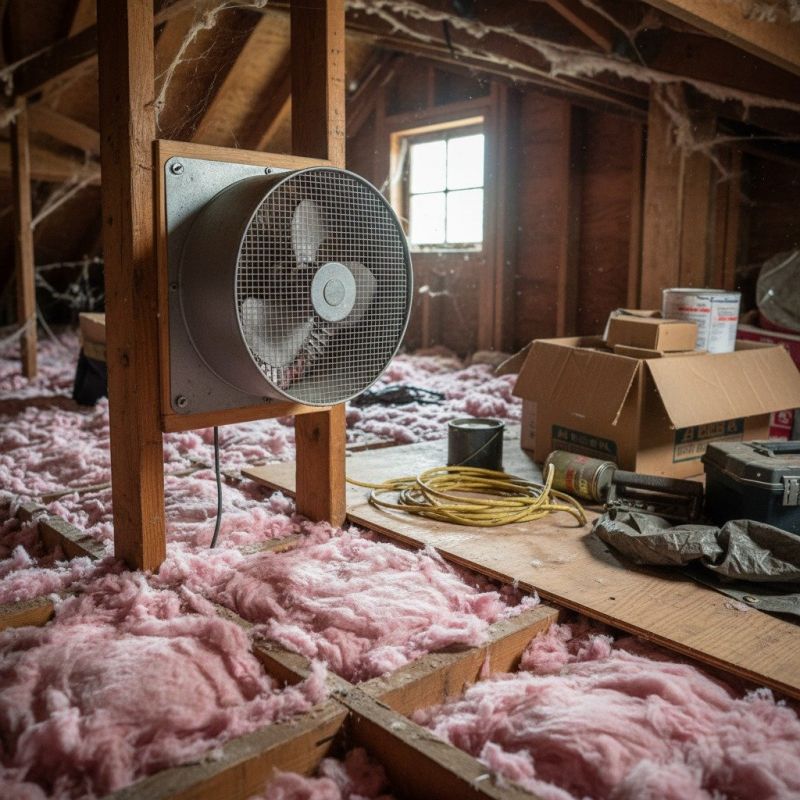
Roof Fan Installation Questions
What is a roof fan installation? It involves adding a ventilator to a roof to improve airflow and ventilation within the building.
Why install a roof fan? Roof fans help reduce humidity, improve air circulation, and can help lower cooling costs during warm months.
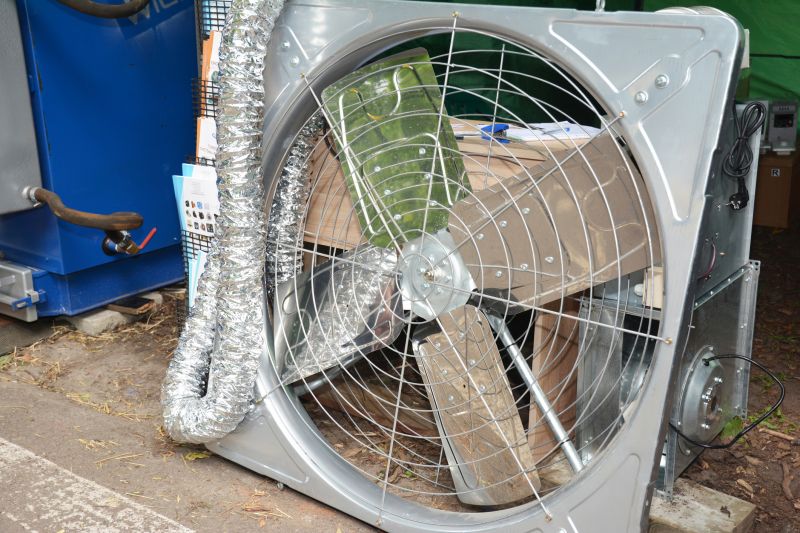
What types of roof fans are available? There are various options, including attic ventilators, solar-powered fans, and exhaust fans designed for different roof types.
Is roof fan installation suitable for all roofs? Most roofs can accommodate a roof fan, but factors like roof pitch and structure may influence the best type of fan to install.
Request Roof Fan Installation in Provo, UT
Use the quote form on this page to share the basics of your project and request more information for the type of work you need.